Your cart is empty.

Visit the store to add items to your cart.

Welcome to the March edition of Structured Literacy with Joy Allcock — our monthly briefing for educators and school leaders sharing research, classroom insights, and practical tools for stronger writing and reading instruction.


This month’s focus is on supporting English learners and ensuring our instruction accelerates learning for every child.


From the Editor


Each month in Structured Literacy with Joy Allcock we highlight research, classroom practices, and practical resources that help teachers build strong reading and writing foundations.


This month we share an article from literacy researcher Susan Neuman that raises an important question about early literacy instruction.


Why We Keep Asking the Wrong Question About Kindergarten Readiness


Literacy researcher Professor Susan Neuman recently challenged a common debate in education.


Too often we ask:

“Which literacy program should we use?


But the more important question is:

Is our instruction flexible enough to accelerate learning for every child — regardless of where they start?


Children arrive at school with very different levels of:

  • alphabet knowledge

  • oral language experience

  • phonological awareness

  • book and print awareness

The challenge for schools is not whether children are ready for school — but whether instruction is intentionally designed to respond to that variability and quickly build the foundational skills children need for reading and writing.


Joy Allcock’s work has long addressed this challenge. Her speech-to-sound-to-print approach helps teachers build the foundational skills for reading and writing quickly, explicitly, and coherently, ensuring that differences in starting point do not become long-term gaps.


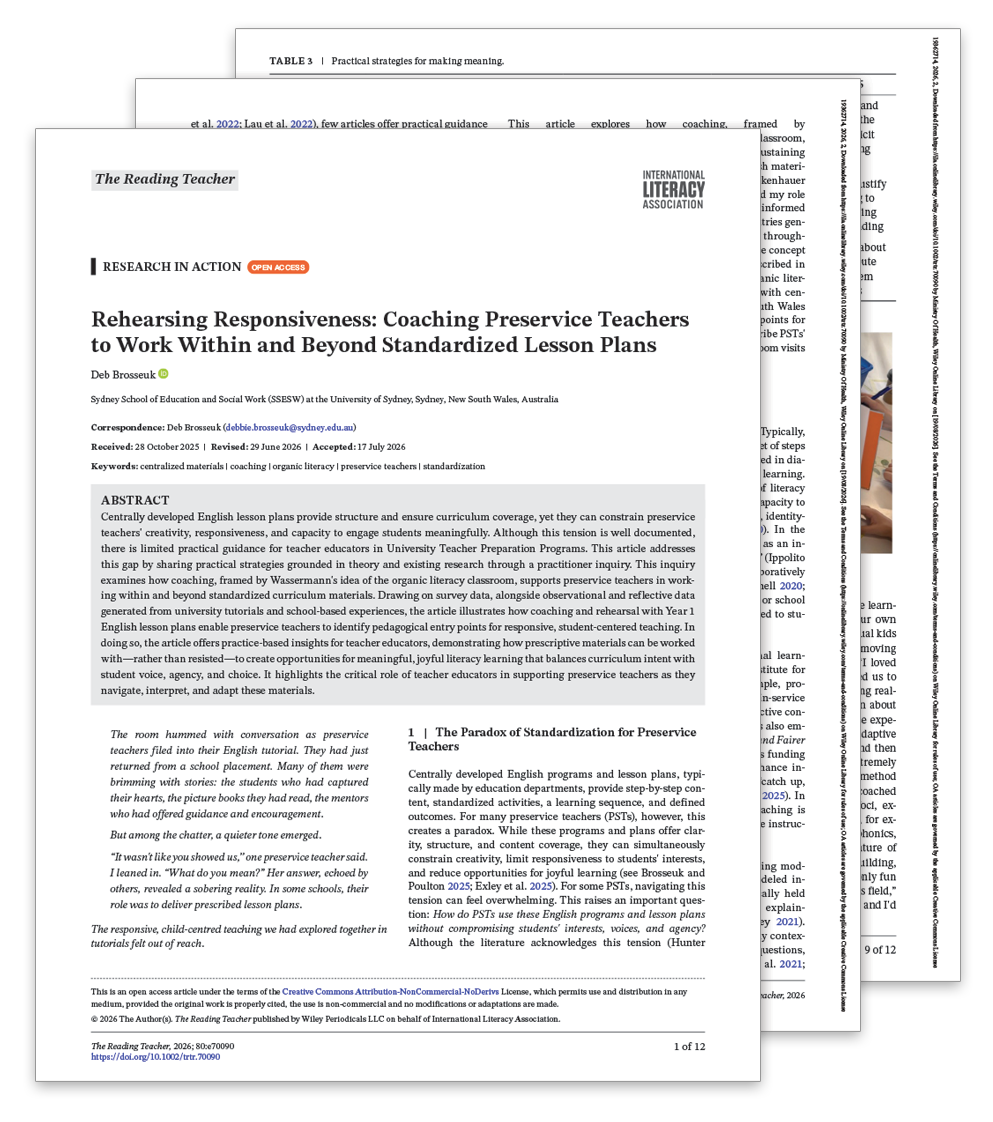
Recommended reading | Susan Neuman & Lillie Bukzin

Inside Code-Ed

Supporting English learners


Speech sounds vary across languages. Some English phonemes simply do not exist in other languages, which can affect pronunciation and spelling. That’s why Joy included a Sound Transfer Issues section in Elevate & Evaluate.


Code-Ed lessons intentionally support:

  • careful listening

  • accurate pronunciation

  • clear sound-to-print connections

This ensures English Learners are explicitly supported, not expected to infer distinctions that have never been taught.


Structured literacy, done well, ensures every learner can use the alphabetic code successfully.


Explore Elevate & Evaluate

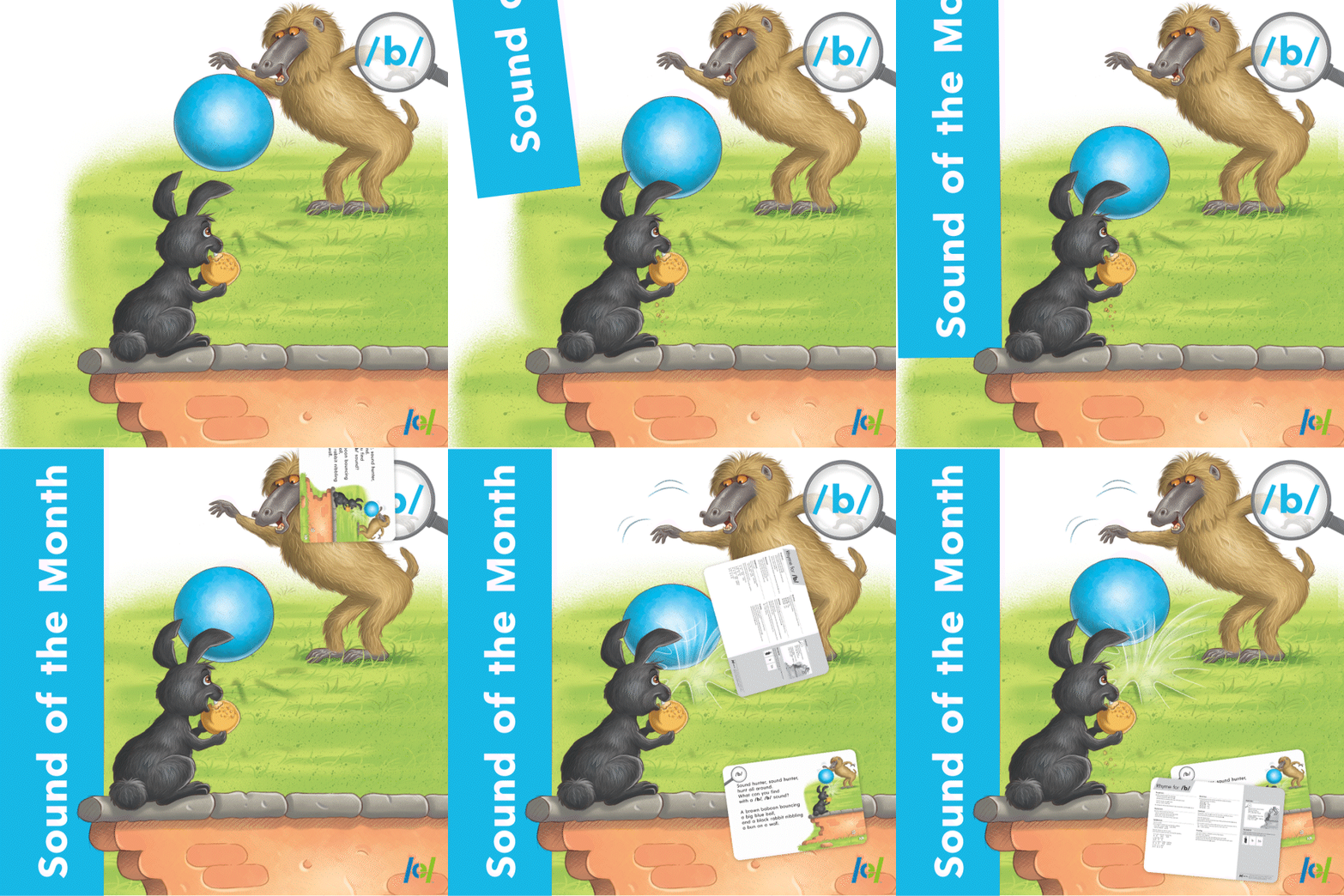
Sound of the Month

Sound Poem /ch/


Spark joy in structured literacy with rhythm and rhyme.


Introduce students to Sound Poem /ch/ — An Animal Adventure by Jill Eggleton, where learners discover /ch/ words through playful verse while


strengthening speech-to-sound-to-print connections.


In just minutes, students:

  • build phonological awareness

  • expand vocabulary

  • connect sounds to spelling patterns


Explore the resource


Sign in to access:

  • the digital Sound Poem /ch/

  • teacher guidance

  • printable student activities

Everything you need to try the resource and see how students respond.

Use Sound Poem /ch/

What’s New at Code-Ed

New resources for schools


Two new professional documents are now available:


 Code-Ed Alignment with New Zealand English Curriculum

Mapping Code-Ed instruction to foundational literacy requirements.


Download

Bridging literacy gaps at school entry

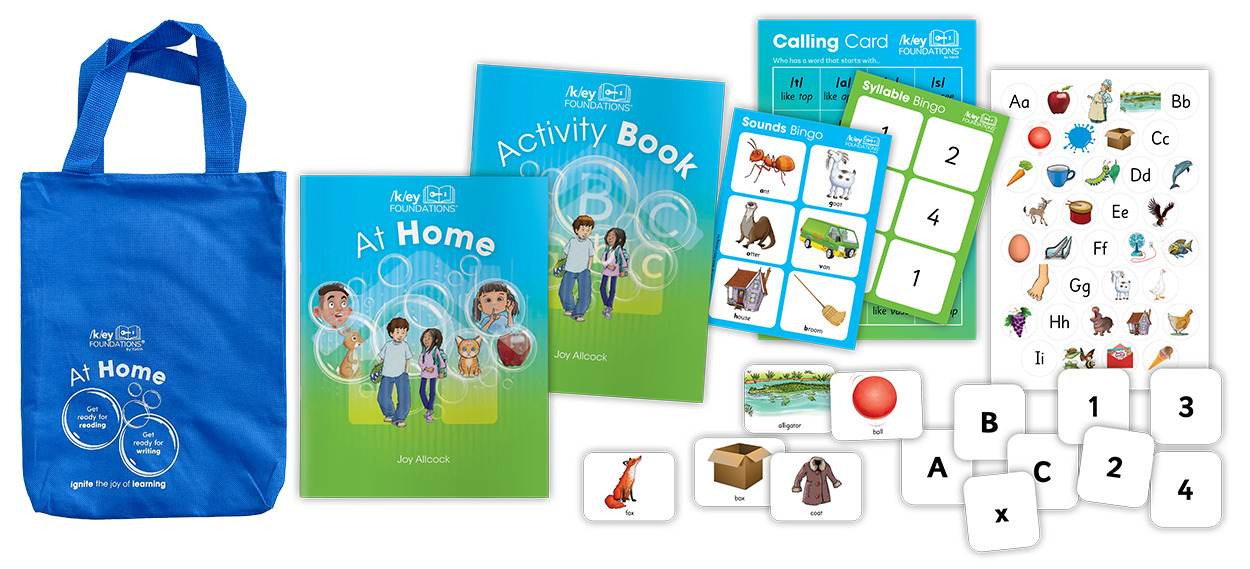
Practical guidance using Key Foundations to accelerate early literacy development.


Download

Upcoming professional learning events


Join us for upcoming structured literacy events. Workshops include:


Show & Tell Events, Porirua, Palmerston North, Hamilton

An Afternoon with Joy Allcock & Jill Eggleton, Mt Eden

 View all upcoming events


We’d love to hear from you.


What topics would you like us to cover in future editions?


Reply directly to this email — we read every response.


In support of every learner,

Joy & The Code Ed Team